


Gaming culture has moved far beyond consoles and controllers, becoming a powerful force shaping mainstream entertainment. What began as a niche hobby now influences how stories are told, how audiences interact with content, and how creators build communities. Elements once unique to games, such as interactivity, immersive worlds, and fan-driven engagement, now appear across films, music, and digital media. This shift reflects changing audience expectations, especially among younger generations raised with games as a core form of entertainment. As gaming culture continues to grow, its impact on broader entertainment becomes impossible to ignore.
Interactive Storytelling Changing Audience Expectations

Gaming has trained audiences to expect participation rather than passive viewing. Players influence outcomes, explore worlds at their own pace, and connect emotionally with characters they control. This mindset now shapes mainstream entertainment—interactive films, branching narratives, and audience-driven content mirror gaming mechanics. Even traditional movies and shows adopt game-like pacing, visual cues, and depth in world-building. Viewers want to feel involved, not just entertained. This influence pushes creators to design experiences that reward attention and emotional investment, reflecting how games have redefined storytelling engagement over the past decade.
Visual Style and World Building Influence
The visual language of games has heavily influenced film, television, and music videos. Fast-paced editing, stylized action, and immersive environments now feel familiar because audiences recognize them from gaming. Large franchises often build expansive worlds similar to game universes, encouraging deeper fan exploration. Easter eggs, lore, and extended universes mirror how games reward curiosity. This approach keeps audiences engaged beyond a single release. Gaming has shown that rich environments matter as much as plot, inspiring entertainment creators to build worlds that feel alive and worth revisiting.
Community Driven Fandom and Content Creation

Gaming culture thrives on community, reshaping how entertainment audiences behave. Streaming platforms, fan discussions, and shared experiences mirror gaming communities where interaction matters. Viewers now expect access to creators, behind-the-scenes content, and opportunities to participate in trends or challenges. Fan reactions, memes, and user-generated content influence popularity and longevity. This two-way relationship strengthens loyalty and keeps entertainment relevant longer. Gaming normalized this culture of participation, and mainstream entertainment has adopted it to stay connected with modern audiences.
Gaming culture has left a lasting mark on mainstream entertainment by changing how stories are told, how visuals are designed, and how audiences engage. Interactive expectations, immersive worlds, and community-driven experiences now shape films, shows, and digital media. As entertainment continues to evolve, gaming remains a major influence guiding creative direction and audience connection. This crossover reflects a broader shift toward participation and engagement rather than passive consumption. Gaming culture is no longer separate from mainstream entertainment; it is one of its most influential creative forces.…





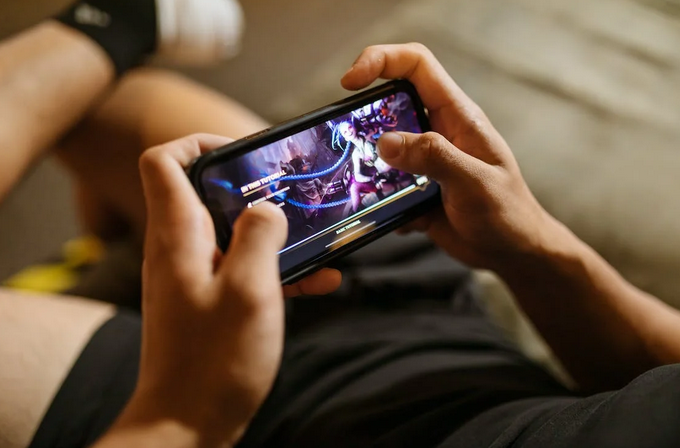
 This strategy game lets you build an empire by leading one of eight civilizations through history. You’ll manage your population, develop technologies, and fight enemies in epic battles. The game also features a competitive multiplayer mode that will keep you returning for more.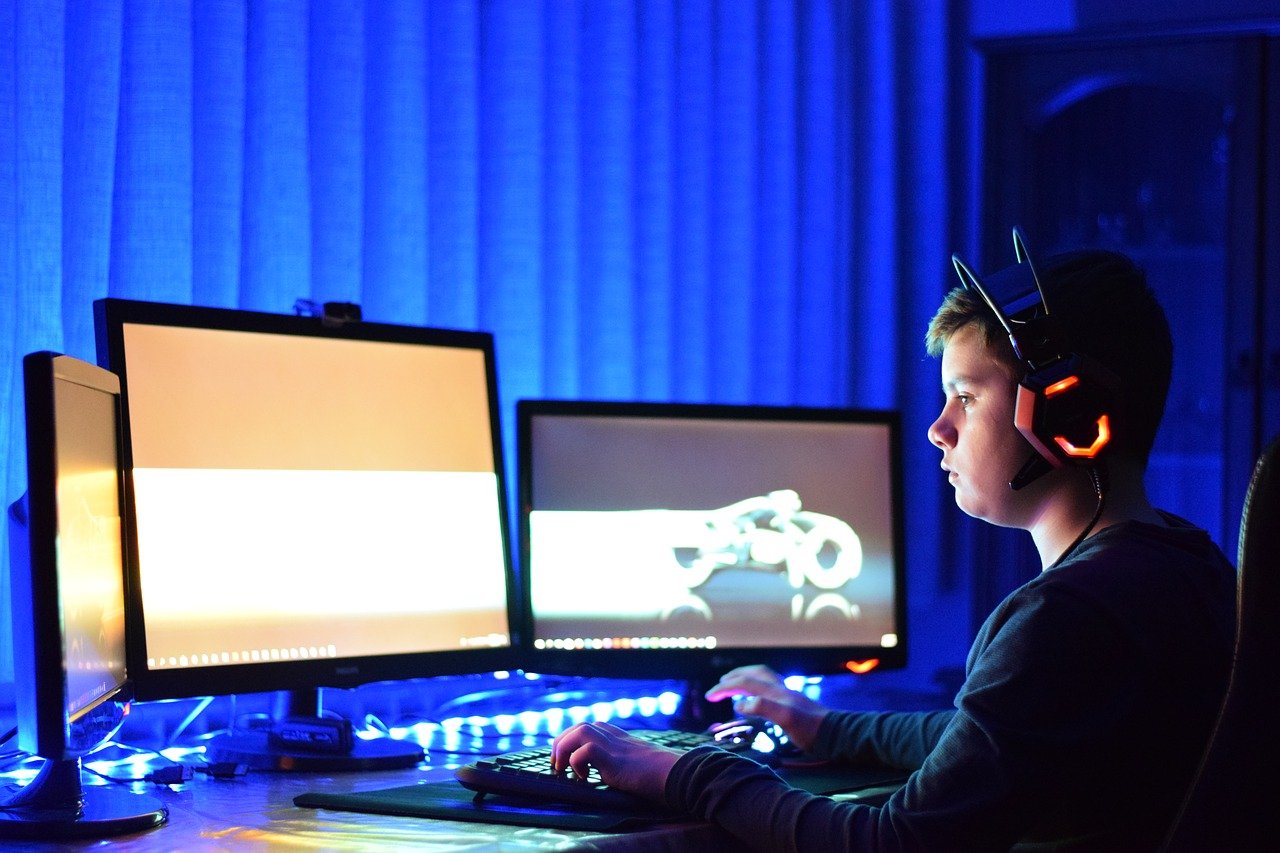
 A game room can save you money in the long run. How? Well, by having a game room at home, you will have a place to entertain your friends and family without having to spend money on going out to eat or paying for entertainment venues. Additionally, if you have children, a game room can be a great way to keep them entertained without having to spend a lot of money. A game room can include games, movies, and other forms of entertainment that are affordable for any family.
 If you are looking for a place to entertain your friends and family, a game room is a perfect solution. A game room can include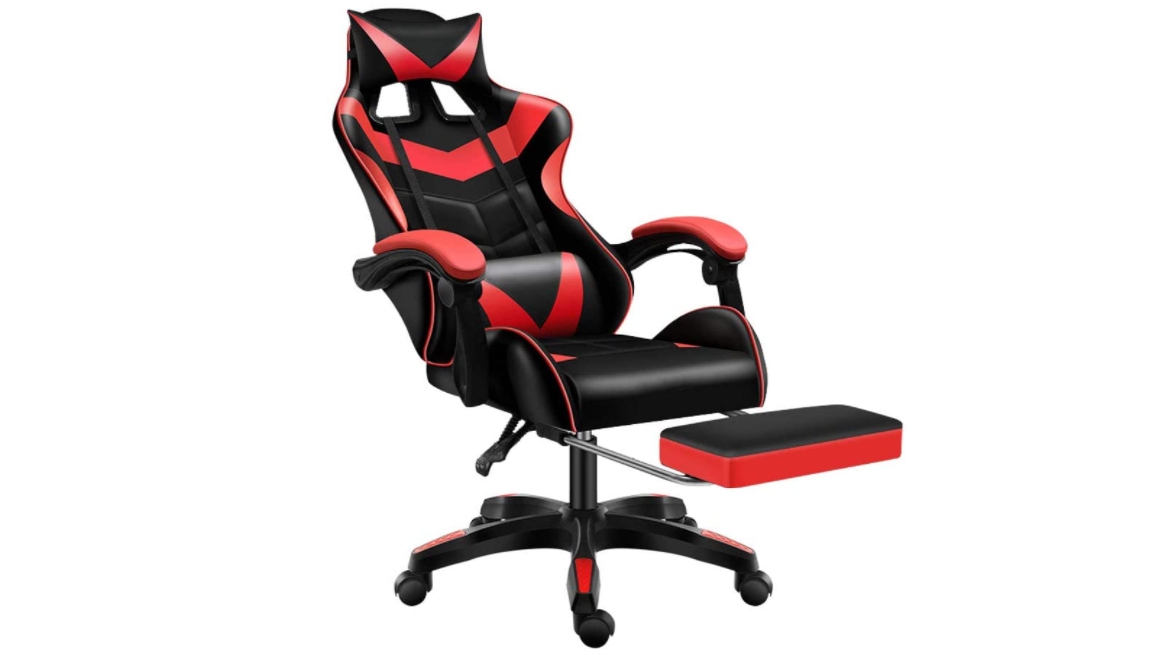






 You must know that you rent a photo booth by the hour. If you miscalculate the duration of your party, you can end up with unnecessary fees for the rental service. On average, the price will be around $200 – $300 per hour with the minimum rent time of three hours. If your event lasts for 12 hours, then you have to be ready to spend at least $3,600 on photo booth rental only.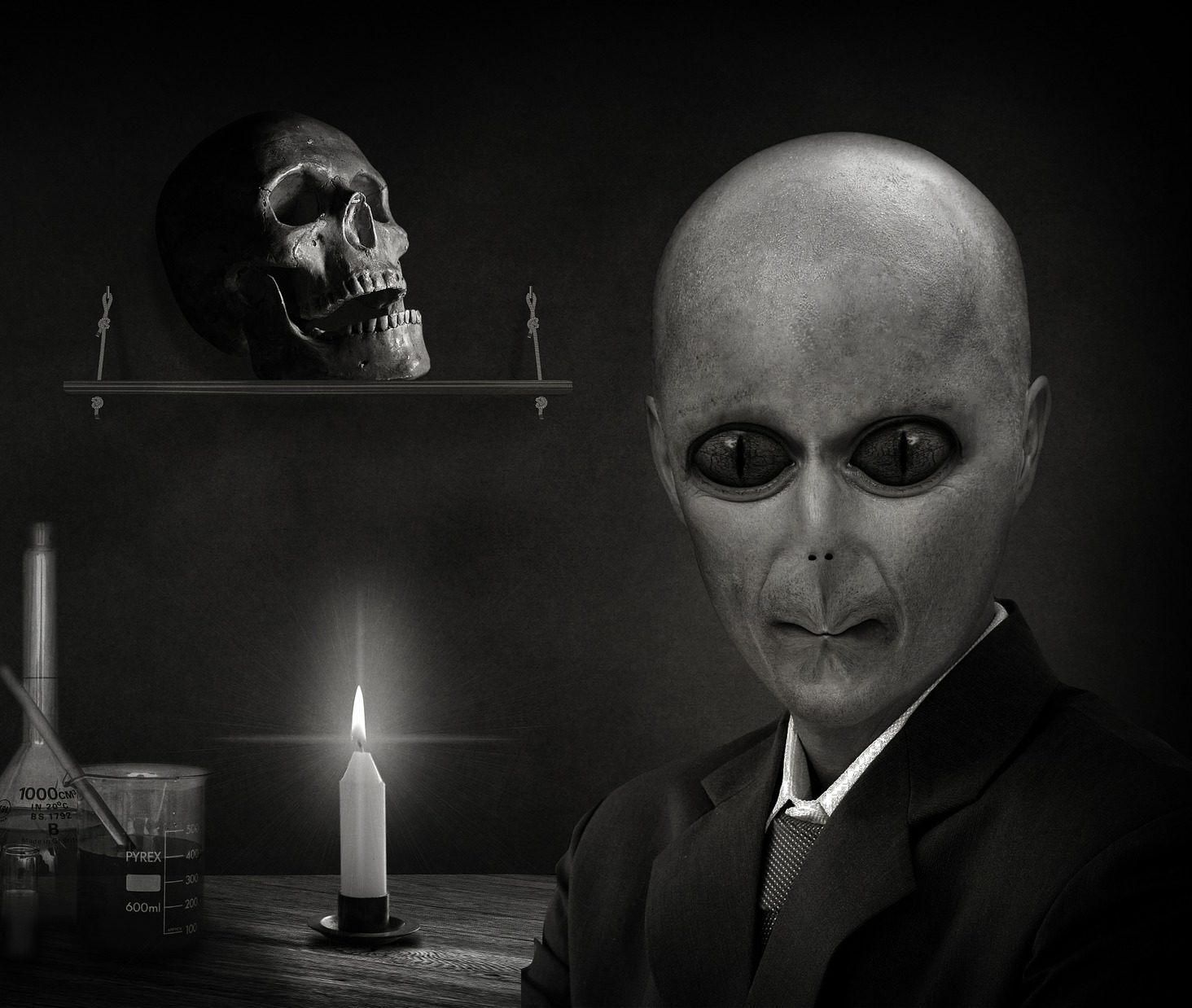

 Hugh Jackman maintained his role as the Wolverine in the X-Men universe for seventeen years. And although at the end of the series he portrayed the old Logan, he still kept his image as a ripped savage. But that achievement was not without hard work. And you need to know that Jackman played Wolverine at age 30s and 40s. It proves how age is just a number.
 If you know McAvoy from the X-Men universe, then you probably saw nothing extraordinary about his shape. In fact, he always to seemed to play skinny characters. Young Professor X, Wesley Gibson (from Wanted, 2008), are all roles with an ordinary body build.
 If there was an award for extreme body transformation, Bale should have won it. In The Machinist (2004), Bale played an anorexic factory worker. He took the role seriously and went on an extreme diet to make himself look like a real anorexic person. His weight in The Machinist was 120 pounds.
 When it comes to cinephilia, we have to open our minds to the necessity of SFX (special effects). If you think that
 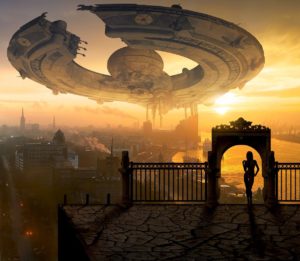 Alien set a new standard on horror sci-fi industry. It did not terrify the viewers with the typical representation of aliens, which depicted aliens possessing advanced technology, and were using humans as their experiment objects. Instead, Alien brought to us the Xenomorphs, a hunter species that existed solely for killing. Their intention was purely predatory. And to them, humans were nothing but prey.